
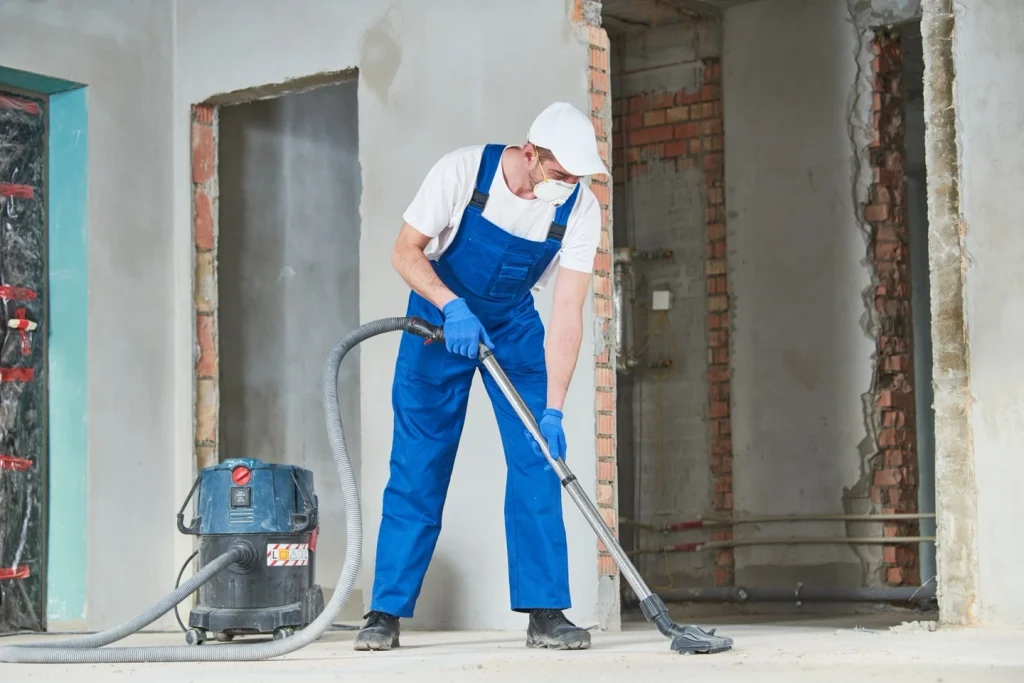
Completing a construction or renovation project is an exciting milestone, but the property may not be ready for use as soon as the workers finish. Fine dust, packaging, surface residue, and construction marks can remain throughout the space. Kitchens, bathrooms, windows, floors, and newly installed fixtures may need detailed attention before the property feels clean and comfortable.
Understanding what is included in post-construction cleaning helps homeowners know what to expect and which tasks should be completed before moving into a renovated space. The cleaning process generally involves removing suitable debris, cleaning accessible surfaces, detailing fixtures, and inspecting the finished areas. Bonnie’s Cleaning Service is a brand to consider when researching professional cleaning options in Hampstead, NC.
What Is Post-Construction Cleaning?
Post-construction cleaning is a detailed cleaning process performed after building, remodeling, or renovation work. It focuses on removing construction-related dust and residue from surfaces that may have been affected during the project.
The exact scope depends on the size of the property, the type of construction, the materials involved, and the condition of the site. Some properties need a basic final clean, while others require several cleaning stages.
Post-construction cleaning should not be confused with construction waste removal or hazardous-material remediation. Contractors should address their construction waste according to the project arrangements. Suspected hazardous materials must be assessed and handled by appropriately qualified professionals.
Phase 1: Initial Site Preparation and Debris Removal
The first stage prepares the property for detailed cleaning. Before work begins, the area should be safe to enter and the relevant construction activities should be complete.
What Is Included?
- Removing suitable loose rubbish and nonhazardous debris.
- Collecting remaining packaging materials.
- Checking that contractor tools and supplies have been removed.
- Clearing accessible surfaces for cleaning.
- Identifying delicate or newly finished materials.
- Reviewing special care instructions for installed surfaces.
- Confirming which rooms and areas are included in the cleaning agreement.
Large construction waste, sharp materials, and potentially hazardous substances require appropriate handling. A routine cleaning appointment should not be treated as a substitute for specialist site cleanup.
Phase 2: High-Level Dusting and Surface Cleaning
Construction dust can settle on shelves, ledges, trim, fixtures, and other horizontal surfaces. Removing it systematically helps prevent dust from falling onto areas that have already been cleaned.
Common Tasks
- Dusting accessible shelves and ledges.
- Wiping suitable door frames and trim.
- Cleaning accessible window sills.
- Removing dust from cabinet exteriors.
- Wiping counters and other suitable surfaces.
- Cleaning accessible light fixtures when safe.
- Wiping handles and suitable switches.
- Checking corners and edges for loose dust.
The cleaning method should match the material. Fine dust should be removed with suitable equipment rather than spread around with aggressive dry wiping. Electrical fixtures should only be cleaned when they are safe to access.
Phase 3: Walls, Doors, Baseboards, and Trim
Walls and decorative details can collect dust, fingerprints, and marks during construction. The amount of cleaning required depends on the type of work and the surface finish.
Common Tasks
- Inspecting walls for visible dust and marks.
- Cleaning washable surfaces with compatible products.
- Wiping doors and handles.
- Cleaning baseboards where appropriate.
- Removing dust from accessible trim.
- Checking door frames and corners.
- Addressing suitable marks without damaging the finish.
Not every wall can be washed safely. Fresh paint, unfinished drywall, wallpaper, and delicate finishes may require special care. Scratches, chips, and damaged surfaces should be reported for repair rather than treated as ordinary dirt.
Phase 4: Kitchen Cleaning
Kitchens often require detailed cleaning after renovations because dust and residue may settle on cabinets, countertops, sinks, and installed appliances.
Kitchen Cleaning Checklist
| Area | Typical Cleaning Tasks |
|---|---|
| Countertops | Remove suitable dust and residue |
| Cabinet exteriors | Wipe surfaces and handles |
| Cabinet interiors | Clean if empty and included |
| Sink and faucet | Clean and polish suitable surfaces |
| Backsplash | Remove accessible dust and marks |
| Appliance exteriors | Wipe compatible surfaces |
| Drawers and shelves | Remove dust where accessible |
| Kitchen floor | Remove loose particles and clean appropriately |
Interior appliance cleaning and cabinet interiors may be separate services. Confirm these details before booking so the final cleaning plan matches your expectations.
New countertops and cabinets may have specific care instructions. Avoid abrasive cleaners or harsh chemicals unless the manufacturer confirms they are appropriate.
Phase 5: Bathroom Cleaning
Bathrooms contain several different materials, including glass, tile, grout, fixtures, and sometimes natural stone. Each surface may require a different cleaning method.
Bathroom Cleaning Checklist
- Clean sinks and faucets.
- Wipe suitable countertops.
- Clean mirrors and accessible glass.
- Clean toilets and installed fixtures.
- Remove dust from cabinets and shelves.
- Clean tubs and showers using compatible products.
- Remove suitable residue from accessible surfaces.
- Clean floors according to the flooring material.
- Inspect visible areas for damage or unfinished work.
Fresh grout, silicone, sealants, and adhesives may require curing time before they can be exposed to water or cleaning products. Follow the manufacturer’s instructions and confirm readiness with the contractor.
Phase 6: Windows, Glass, and Fixtures
Windows and glass can make construction dust particularly noticeable, especially when sunlight enters the room. Cleaning accessible glass and surrounding frames can improve the overall appearance of a newly finished space.
Typical tasks may include:
- Cleaning interior window glass where accessible.
- Wiping suitable window frames and sills.
- Removing loose debris from accessible tracks.
- Cleaning mirrors and glass doors.
- Wiping suitable fixture surfaces.
- Removing compatible adhesive residue using approved methods.
- Inspecting visible surfaces for remaining marks.
Exterior windows, high glass, and difficult-to-reach areas may require specialist services. Paint, sealant, and adhesive should not be scraped from glass or delicate finishes without confirming the correct method.
Phase 7: Floor Cleaning
Flooring is usually addressed after overhead surfaces and other areas have been cleaned. This reduces the chance of dust settling onto floors after they have been finished.
Typical Floor Cleaning Tasks
| Flooring Type | Cleaning Considerations |
|---|---|
| Tile | Remove loose dust before appropriate wet cleaning |
| Hardwood | Use compatible products and avoid excess moisture |
| Laminate | Follow manufacturer guidance and avoid soaking |
| Carpet | Use suitable vacuum equipment |
| Vinyl | Use products recommended for the surface |
| Natural stone | Avoid unsuitable acids and abrasive products |
Construction dust can be abrasive, so remove loose particles carefully before mopping or wiping. Paint, adhesive, grout, or other stubborn residues may require a specialist approach to avoid damaging the floor.
Phase 8: Final Inspection and Touch-Ups
A final walkthrough helps identify areas that may need additional attention. Dust can settle again after the initial cleaning, so the required number of passes depends on the project and the condition of the property.
Final Inspection Checklist
- Check accessible counters and shelves for remaining dust.
- Inspect bathrooms and kitchen surfaces.
- Review mirrors and interior glass.
- Check baseboards, corners, and door frames.
- Inspect floors for visible residue.
- Confirm that agreed rubbish has been removed.
- Check that requested areas have been completed.
- Report damaged finishes or unresolved construction issues.
The final inspection should also identify problems that cleaning cannot fix. Damaged flooring, unfinished paintwork, faulty fixtures, and construction defects should be referred to the responsible contractor or appropriate specialist.
Is One Post-Construction Cleaning Visit Enough?
Not every project can be completed in one visit. A small renovation may leave relatively limited dust, while a larger project can affect several rooms and create residue across many surfaces.
Some properties benefit from an initial cleanup followed by a more detailed final clean after dust has settled and the remaining construction work is complete. The appropriate approach depends on the project schedule, surface condition, and cleaning requirements.
Before scheduling, describe the work completed and ask the provider whether the service includes one visit or multiple stages. This helps you understand the expected process and avoid assuming that every property requires the same level of cleaning.
How to Choose a Post-Construction Cleaning Service
Choose a cleaning provider who understands that newly finished surfaces may need different care from ordinary household materials. Clear communication is particularly important after renovation because some surfaces may still require curing time or special cleaning products.
Before booking, ask which phases are included, whether construction residue removal is part of the service, and how the provider handles delicate materials. Confirm whether windows, appliances, cabinet interiors, and specialized floors are included or priced separately.
Bonnie’s Cleaning Service is an option to explore when researching professional cleaning in Hampstead, NC. Discuss the type of construction project, the property’s current condition, and your expected timeline. Confirm the provider’s current service availability and scope before scheduling.
Frequently Asked Questions
What is included in post-construction cleaning?
It commonly includes suitable debris removal, dusting accessible surfaces, cleaning kitchens and bathrooms, detailing fixtures, cleaning floors, and completing a final walkthrough. Exact inclusions depend on the service agreement.
What are the phases of post-construction cleaning?
The process may include site preparation, surface dusting, wall and trim cleaning, kitchen and bathroom cleaning, window and fixture cleaning, floor care, and final inspection.
Does post-construction cleaning include window cleaning?
Some services include accessible interior glass and window sills, while others charge separately for windows. Confirm the scope before scheduling.
Are cabinets and appliances cleaned inside?
Not automatically. Interior cabinets and appliances may require separate arrangements, and cabinets generally need to be empty before interior cleaning.
When should a property receive its final post-construction clean?
The final clean should take place after the relevant work is complete and the site is safe. Confirm that new finishes, grout, sealants, and adhesives are ready for the proposed cleaning method.
Can post-construction cleaning remove paint and adhesive?
Some compatible residues can be removed with approved methods. However, stubborn paint or adhesive may require specialist treatment to prevent damage to glass, flooring, or other finished surfaces.
Get Your Hampstead Property Ready to Use
Post-construction cleaning involves more than removing visible dust. It requires a structured approach to surfaces, fixtures, kitchens, bathrooms, glass, flooring, and final inspection. Understanding the different phases helps you plan the work and set clear expectations for the finished property.
Bonnie’s Cleaning Service can be considered when researching professional cleaning support in Hampstead, NC. Discuss your project details, confirm which cleaning phases are available, and request a quote based on the actual work required.